

Innovative Water Treatment Solutions in Uvita, Costa Rica
- Dayle Sheehan

- Nov 4
- 3 min read
Clean water is essential for health, agriculture, and tourism, yet many communities face challenges in accessing safe water. Uvita, a small town on Costa Rica’s southern Pacific coast, is no exception. With its growing population and increasing tourism, the demand for clean water has risen sharply. This post explores how Uvita is addressing water treatment challenges with practical, effective solutions that protect both people and the environment.
Water Challenges in Uvita
Uvita’s natural beauty attracts visitors worldwide, but its water sources face pressure from several factors:
Population growth: More residents mean higher water consumption and wastewater production.
Tourism impact: Hotels, restaurants, and resorts increase water demand and wastewater discharge.
Agricultural runoff: Nearby farms contribute pesticides and fertilizers to local water bodies.
Limited infrastructure: Rural areas often lack centralized water treatment facilities.
These challenges create risks of water contamination, affecting health and local ecosystems. Addressing them requires solutions tailored to Uvita’s unique environment and community needs.
Types of Water Treatment Used in Uvita
Uvita uses a combination of traditional and modern water treatment methods. Each method targets specific contaminants and suits different scales of use.
1. Basic Filtration and Chlorination
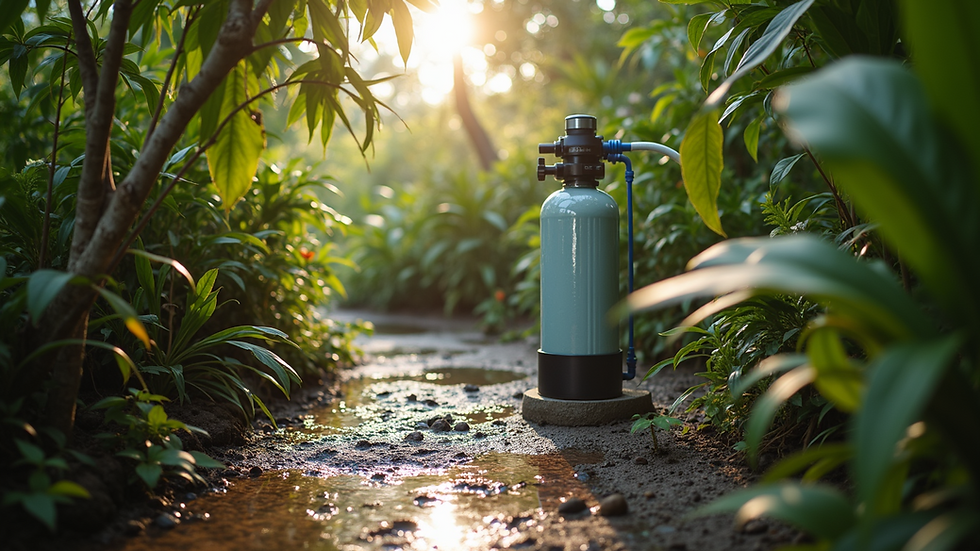
Many households and small businesses rely on simple filtration systems combined with chlorination. These systems remove sediments and kill bacteria, making water safer for drinking and cooking. Chlorination is cost-effective and widely used but requires careful dosing to avoid harmful byproducts.
2. Constructed Wetlands
Constructed wetlands mimic natural wetlands to treat wastewater. In Uvita, these systems use plants and soil microbes to break down pollutants. They are low-cost, require little energy, and provide habitat for wildlife. Local communities have adopted wetlands for treating greywater from homes and small hotels.
3. UV Disinfection
Ultraviolet (UV) light systems are gaining popularity in Uvita for disinfecting water without chemicals. UV treatment destroys bacteria and viruses by damaging their DNA. It is effective and fast but requires electricity and clear water to work well.
4. Reverse Osmosis
Some resorts and eco-lodges use reverse osmosis (RO) to purify water. RO systems force water through membranes that block contaminants, including salts and heavy metals. While RO produces very clean water, it consumes significant energy and produces wastewater that must be managed properly.
Community-Based Water Treatment Projects
Local organizations and residents have launched projects to improve water quality using affordable, sustainable methods.
Rainwater Harvesting and Storage
Collecting rainwater is a common practice in Uvita. Properly designed systems include gutters, storage tanks, and first-flush diverters to keep water clean. Stored rainwater is treated with filtration and disinfection before use. This reduces pressure on groundwater and surface water sources.
Bio-Sand Filters
Bio-sand filters are simple, low-cost devices that use layers of sand and gravel to remove pathogens and particles. Several community groups have built and distributed these filters to households, improving drinking water safety without expensive equipment.
Education and Training
Water treatment success depends on knowledge. NGOs and local governments provide workshops on water hygiene, system maintenance, and pollution prevention. These efforts empower residents to protect their water sources and maintain treatment systems.
Environmental Benefits of Improved Water Treatment
Better water treatment in Uvita helps preserve the region’s rich biodiversity and natural resources.
Protects marine life: Cleaner wastewater reduces pollution in rivers and coastal waters, benefiting coral reefs and fish populations.
Supports agriculture: Safe irrigation water improves crop yields and reduces health risks for farmworkers.
Enhances tourism: Visitors enjoy cleaner beaches and rivers, supporting the local economy.
Challenges and Future Directions
Despite progress, Uvita faces ongoing challenges:
Funding limitations: Many projects rely on grants or donations, which can be unpredictable.
Technical expertise: Maintaining advanced systems requires trained personnel.
Climate variability: Changes in rainfall patterns affect water availability and quality.
To address these, Uvita is exploring:
Solar-powered treatment systems to reduce energy costs.
Decentralized treatment units for remote areas.
Partnerships with universities for research and innovation.
How Visitors and Residents Can Help
Everyone in Uvita can contribute to water protection:
Use water wisely and avoid waste.
Dispose of chemicals and waste properly.
Support local water projects and education.
Choose accommodations that prioritize sustainable water use.
Final Thoughts
Uvita’s approach to water treatment combines practical technology with community involvement. This balance helps ensure clean water for people and nature alike. As the town grows, ongoing efforts to improve water systems will be vital for health, environment, and economy.
If you live in or visit Uvita, consider how your actions affect water quality. Supporting local solutions and practicing water care can make a real difference.
This post provides general information about water treatment in Uvita, Costa Rica. For specific advice or services, consult local experts or authorities.

Comments